
State Bank Issues New Climate Stress Testing Guidelines for Banks in Pakistan
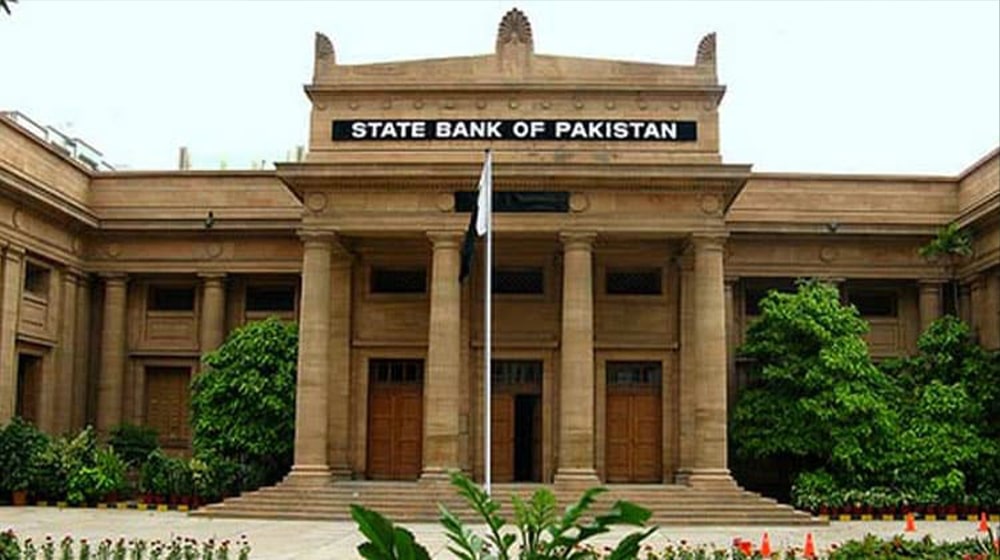
The State Bank of Pakistan (SBP) has issued new Climate Stress Testing Guidelines for banks and other regulated financial institutions. This major step aims to help Pakistan’s financial system prepare for climate-related risks, including natural disasters, floods, heatwaves, and the transition to a low-carbon economy.
Climate change is no longer just an environmental issue. It is now a financial risk that can affect banks, businesses, and the overall economy. With these new guidelines, SBP wants banks to identify, measure, and manage climate risks more effectively.
This article explains the SBP Climate Stress Testing Guidelines, their objectives, requirements for banks, impact on financial institutions, and why these rules matter for Pakistan in 2026 and beyond.
What Are Climate Stress Testing Guidelines?
Climate stress testing is a process used by banks to check how strong they are against climate-related shocks. These shocks may include:
- Severe floods and extreme weather
- Heatwaves affecting agriculture and industry
- Sudden changes in climate policies
- Transition risks from fossil fuels to clean energy
The SBP Climate Stress Testing Guidelines expand the existing stress testing framework to formally include climate risks.

Why Has SBP Introduced Climate Stress Testing?
Pakistan is among the most climate-vulnerable countries in the world. Floods, droughts, and extreme heat have already caused:
- Damage to crops and infrastructure
- Loan defaults in agriculture and SME sectors
- Insurance losses and economic instability
SBP believes that banks must be prepared to face these challenges. By testing climate risks in advance, banks can:
- Protect their loan portfolios
- Strengthen financial stability
- Support sustainable economic growth

Types of Climate Risks Covered in SBP Guidelines
The SBP guidelines focus on two main types of climate risks:
1. Physical Risks
Physical risks arise from direct climate events, such as:
- Floods
- Cyclones
- Heatwaves
- Water shortages
These risks can damage factories, homes, farms, and businesses, leading to loan defaults.
2. Transition Risks
Transition risks occur when the economy moves toward low-carbon and climate-friendly policies, including:
- Carbon taxes
- Environmental regulations
- Shift from fossil fuels to renewable energy
Such changes can affect industries like energy, cement, transport, and manufacturing, impacting banks’ lending exposure.

Single-Factor Climate Shock Scenarios
Under the new rules, SBP has introduced single-factor climate shock scenarios. These scenarios allow banks to test one climate risk at a time, such as:
- A major flood impacting agriculture loans
- New climate regulations affecting energy companies
- Heat stress reducing industrial productivity
This approach helps banks clearly understand specific vulnerabilities in their portfolios.

Which Financial Institutions Must Follow These Guidelines?
The guidelines apply to SBP-regulated Financial Institutions (FIs), including:
- Commercial banks
- Islamic banks
- Development finance institutions
However, Domestic Systemically Important Banks (D-SIBs) have additional responsibilities.
New Requirements for D-SIBs (Systemically Important Banks)
Banks classified as D-SIBs under the 2018 framework must:
- Include climate risks in their annual Macro Stress Testing (MST)
- Use audited financial data as of December 31
- Integrate results into their ICAAP (Internal Capital Adequacy Assessment Process)
- Submit reports to SBP by June 30 of the following year
This ensures that large banks play a leading role in managing climate risks.
Timeline for Climate Stress Testing Implementation
SBP has provided a clear implementation schedule:
Regular Climate Stress Testing
- Conducted in addition to existing stress tests
- Based on end-December data
- Completed by Q2 of the following year
First-Time Climate Stress Testing
- First iteration allowed by end of Q3 CY26
- Based on December 2025 data
This phased approach gives banks enough time to build internal capacity.
Relationship With Existing SBP Stress Testing Rules
Climate stress testing will be conducted alongside existing stress tests required under:
- FSD Circular No. 01 dated September 01, 2020
This means banks will not replace old stress tests, but add climate risks to their existing framework.
Role of SBP in Supervising Climate Risks
SBP will not rely only on banks’ reports. As part of its supervisory role, SBP will:
- Conduct in-house climate stress testing
- Review banks’ climate risk frameworks
- Engage banks on risk mitigation plans
- Ask for contingency measures where needed
SBP supervisory teams may also inspect processes and assumptions used by banks.
Impact on Banks and Financial Institutions
Stronger Risk Management
Banks will have a better understanding of how climate events affect their lending.
Improved Capital Planning
Climate risks will be reflected in capital buffers, improving long-term stability.
Support for Green Financing
Banks may increase lending to:
- Renewable energy projects
- Climate-resilient agriculture
- Sustainable infrastructure
Better Investor Confidence
Clear climate risk management improves investor and international confidence in Pakistan’s banking system.
Impact on Businesses and Borrowers
Although the guidelines are for banks, businesses will also be affected:
- High-risk sectors may face stricter lending terms
- Climate-resilient projects may get easier financing
- Green businesses may benefit from lower risk ratings
This encourages the economy to move toward sustainable growth.
Why These Guidelines Matter for Pakistan’s Economy
Pakistan faces repeated climate shocks. Without preparation:
- Banks may suffer large losses
- Credit supply could shrink
- Economic growth could slow
SBP’s climate stress testing guidelines help ensure:
- Financial system resilience
- Reduced systemic risk
- Long-term economic stability
Global Context: SBP Aligns With International Standards
Central banks worldwide, including:
- European Central Bank
- Bank of England
- Asian Development Bank partners
are already using climate stress testing. SBP’s move aligns Pakistan with global best practices.
What Happens Next?
In 2026 and beyond, we can expect:
- More detailed climate scenarios
- Integration of climate data and analytics
- Increased focus on ESG and green finance
SBP may further expand these guidelines based on initial results.
Conclusion
The State Bank of Pakistan’s Climate Stress Testing Guidelines mark a historic shift in financial regulation. By recognizing climate change as a financial risk, SBP is strengthening Pakistan’s banking system against future shocks.
These rules will not only protect banks but also support sustainable development, green investments, and long-term economic resilience.
As climate risks grow globally, Pakistan’s proactive approach in 2026 places it on the right path toward a stable and climate-aware financial future.
SBP Climate Stress Testing Guidelines FAQs
1. What is climate stress testing in banking?
Climate stress testing checks how banks can handle climate-related financial shocks.
2. Which banks must follow SBP climate stress testing rules?
All SBP-regulated banks, with extra requirements for D-SIBs.
3. When will the first climate stress test be conducted?
By end of Q3 2026 using December 2025 data.
4. What risks are covered under SBP guidelines?
Physical risks like floods and transition risks like climate policies.
5. Will SBP review banks’ climate stress tests?
Yes, SBP will conduct its own reviews and may require mitigation plans.