Regional Powers Urge Pak-Afghan De-Escalation: Tehran Conference Calls for Diplomatic Resolution and Regional Cooperation
Introduction
Regional tensions between Pakistan and Afghanistan have once again drawn international attention as senior officials from neighboring countries and Russia gathered in Tehran to discuss the future of Afghanistan and regional stability. The Tehran conference, held on December 16, 2025, sent a strong message: dialogue, diplomacy, and cooperation are the only sustainable paths forward for Pakistan and Afghanistan.
At a time when the Pak-Afghan relationship is under strain due to security concerns, border tensions, humanitarian challenges, and economic instability in Afghanistan, regional powers have stepped in to urge de-escalation and renewed negotiations. The conference reflected a growing regional consensus that isolation, confrontation, and sanctions will only worsen instability—not just for Afghanistan, but for the entire region.
This article explains what happened at the Tehran conference, why it matters, how regional powers view Pak-Afghan tensions, and what this means for security, refugees, trade, and diplomacy in South and Central Asia.
Background: Rising Pak-Afghan Tensions and Regional Concerns
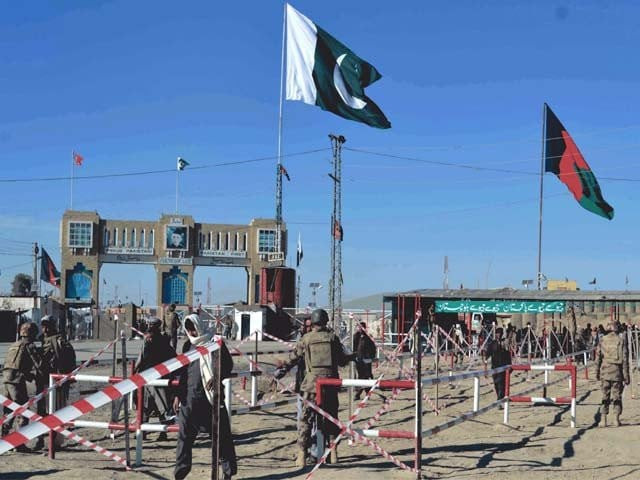
Relations between Pakistan and Afghanistan have faced repeated setbacks in recent years. Issues such as cross-border security threats, militant activity, refugee repatriation, trade disruptions, and diplomatic mistrust have contributed to strained ties.
Pakistan has repeatedly raised concerns about militant groups operating from Afghan territory and the lack of concrete action by Kabul against them. On the other hand, Afghanistan has accused Pakistan of exerting pressure through border closures, deportations, and economic measures.
These tensions have not remained bilateral. Given Afghanistan’s geographic location, instability directly impacts Iran, China, Central Asian states, Russia, and the broader region. As a result, regional powers are increasingly advocating for collective engagement rather than unilateral pressure.

The Tehran Conference: Who Attended and Why It Matters
The Tehran conference brought together special representatives from Iran, Pakistan, China, Tajikistan, Uzbekistan, Turkmenistan, and Russia. This diverse participation highlights the shared interest of regional powers in preventing Afghanistan from becoming a source of prolonged instability.
Key Objectives of the Conference
- Promote regional stability
- Encourage a region-centred approach to Afghanistan
- Reduce Pak-Afghan tensions
- Address security, economic, and humanitarian challenges
- Coordinate regional policies on refugees, trade, and reconstruction
Iran’s Foreign Ministry later issued an official statement summarizing the discussions, revealing a strong alignment on major regional priorities.

Regional Call for Pak-افغان De-Escalation and Dialogue
One of the strongest outcomes of the conference was the explicit call for Pakistan and Afghanistan to return to dialogue. Participants expressed support for all efforts aimed at reducing tensions and urged both sides to resolve disputes through diplomatic channels.
Why This Call Is Significant
- It shows regional consensus, not pressure from Western powers
- It emphasizes negotiation over confrontation
- It recognizes that Pak-Afghan conflict affects the entire region
- It encourages confidence-building measures instead of blame
Unlike Pakistan’s firmer stance on demanding action against militant groups, other regional participants adopted a more conciliatory approach, signaling readiness to work with Kabul rather than isolate it.

Security Concerns: Terrorism, Drug Trafficking, and Human Smuggling
Security remained a central theme of the Tehran conference. All participants reaffirmed their shared concern over threats emanating from Afghanistan, including:
- Terrorism
- Drug trafficking
- Human trafficking
- Cross-border crime
Regional Approach to Security
Instead of coercion, regional powers emphasized:
- Assisting Afghanistan upon request
- Joint cooperation against terrorism
- Information sharing and coordination
- Strengthening internal stability in Afghanistan
This approach suggests a shift from punitive measures to conditional engagement, provided Afghanistan cooperates on security matters.
Clear Message Against Foreign Military Presence
A notable aspect of the conference statement was the strong opposition to foreign military presence in Afghanistan. Participants rejected any attempts by external powers to establish military bases or influence security outcomes through force.
Why This Matters
- Reflects long-standing regional sensitivities
- Signals rejection of external intervention models
- Reinforces the idea of regional ownership of Afghan stability
- Aligns with lessons learned from decades of conflict
The message was clear: Afghanistan’s future should be shaped by regional cooperation, not foreign military agendas.
Economic Crisis and Humanitarian Challenges in Afghanistan
The humanitarian and economic situation in Afghanistan featured prominently in the discussions. Regional powers warned that continued economic pressure directly harms ordinary Afghans, not political elites.
Key Economic Concerns Raised
- Severe humanitarian crisis
- Widespread poverty and unemployment
- Frozen Afghan assets abroad
- International sanctions
Participants urged the international community to lift sanctions and unblock frozen Afghan funds, arguing that economic suffocation only deepens instability.
Importance of Trade and Economic Integration
The conference highlighted the importance of maintaining economic and trade relations with Afghanistan. Regional powers agreed that economic isolation will worsen humanitarian suffering and increase regional insecurity.
Benefits of Economic Engagement
- Improves livelihoods of Afghan citizens
- Reduces dependence on illicit economies
- Strengthens regional trade corridors
- Encourages political moderation
The integration of Afghanistan into regional political and economic processes was described as essential for long-term stability.
Refugee Issue: Voluntary and Dignified Return
Another critical issue discussed was the return of Afghan refugees from neighboring countries, including Pakistan and Iran.
Regional Consensus on Refugees
Participants stressed:
- Voluntary return, not forced deportation
- Dignified and sustainable repatriation
- Creation of safe conditions inside Afghanistan
- Greater role of international organizations
This is especially relevant as host countries face economic pressures while managing large Afghan refugee populations.
Future Diplomatic Roadmap: Next Meetings Announced
To maintain momentum, participants agreed on concrete next steps:
Upcoming Meetings
- Fifth meeting of foreign ministers of Afghanistan’s neighboring countries to be held in Ashgabat, Turkmenistan
- Second round of special envoys’ meeting to be hosted by Pakistan in Islamabad in March next year
These meetings aim to provide political-level guidance and ensure continued coordination on Afghanistan.
What This Means for Pakistan and the Region
For Pakistan, the Tehran conference presents both challenges and opportunities:
Opportunities
- Regional backing for de-escalation
- Platform to raise security concerns diplomatically
- Shared responsibility for Afghan stability
- Enhanced regional cooperation
Challenges
- Balancing security demands with diplomatic engagement
- Managing refugee pressures
- Navigating regional expectations for flexibility
Overall, the conference reflects a shift toward diplomacy, economic engagement, and regional solutions.
Conclusion
The Tehran conference marked a significant regional effort to reduce Pak-Afghan tensions and promote stability through dialogue. By urging negotiations, opposing foreign military involvement, supporting economic integration, and addressing humanitarian concerns, regional powers have outlined a roadmap centered on cooperation rather than confrontation.
While challenges remain, the unified regional message is clear: peace in Afghanistan is a shared responsibility, and sustainable solutions require diplomacy, economic support, and regional coordination. The upcoming meetings in Ashgabat and Islamabad will be crucial in translating words into action.
Frequently Asked Questions (FAQs)
1. Why did regional powers urge Pak-Afghan de-escalation?
Regional powers believe tensions between Pakistan and Afghanistan threaten regional security, trade, and humanitarian stability. Dialogue is seen as the only sustainable solution.
2. Who attended the Tehran conference on Afghanistan?
Officials from Iran, Pakistan, China, Tajikistan, Uzbekistan, Turkmenistan, and Russia participated in the conference.
3. What was the regional stance on Afghanistan’s security issues?
Participants expressed concern over terrorism and cross-border crime but favored cooperation and assistance over isolation or military pressure.
4. What did the conference say about sanctions on Afghanistan?
Regional powers urged the international community to lift sanctions and release frozen Afghan assets to ease humanitarian suffering.
5. What are the next diplomatic steps after the Tehran conference?
A foreign ministers’ meeting will be held in Ashgabat, and Pakistan will host the next special envoys’ meeting in Islamabad in March.