
India Releases Water Into Chenab River – Full 2025 Crisis Report, Impact on Pakistan’s Wheat Crop & Water Security
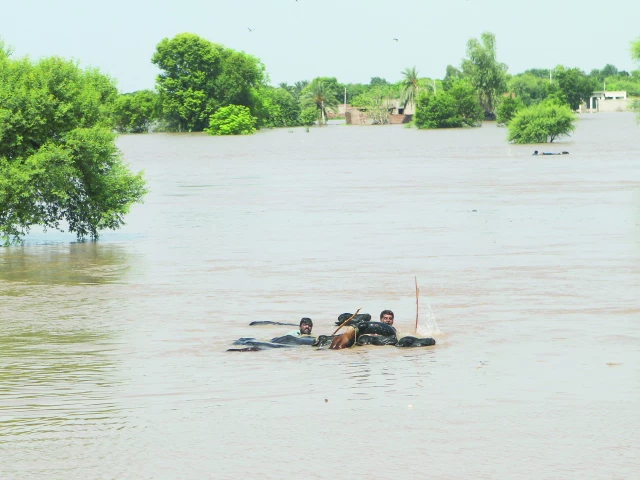
The sudden release of water by India into the River Chenab—without prior intimation to Pakistan—has raised serious concerns for national water security, agriculture, and regional diplomacy. On Monday, the river’s flow surged to 58,300 cusecs, triggering warnings from authorities that India may be using water as a political pressure tool, especially after unilaterally suspending the Indus Waters Treaty (IWT) earlier this year.
This long-form report explains the background, reasons, impacts, population-based water stress, expert views, policy gaps, and future risks in simple English with SEO keywords included naturally.
What Happened? India Releases Water Suddenly into River Chenab
Pakistan’s officials reported that India released a massive volume of water into Chenab without issuing a prior warning—something that violates the spirit of the Indus Waters Treaty (1960).
- Water flow reached 58,300 cusecs
- Officials fear India may soon refill dams, dropping Chenab’s flow “to zero”
- Concerns raised about “water terrorism” targeting Pakistan’s wheat crop
The sudden fluctuation in river flow—flood-like water today, potential drought tomorrow—can damage crops during a sensitive season for wheat.

Indus Waters Treaty Suspension: Why This Crisis Is More Serious
India formally suspended the Indus Waters Treaty in May 2025, ending a 65-year-old framework for water-sharing between the two neighbors.
Under the original treaty:
- India received rights over three eastern rivers:
- Ravi
- Beas
- Sutlej
Combined flow: 33 million acre-feet (MAF)
- Pakistan received rights over three western rivers:
- Indus
- Jhelum
- Chenab
Combined flow: 135 MAF
Since India suspended the treaty, Pakistan has no formal mechanism to ensure water flow notifications or dispute resolution.
This has increased:
- Water insecurity
- Agricultural vulnerability
- Diplomatic tension
- Dependence on unpredictable upstream behavior

Why Pakistan Says the Release Was “Deliberate”
Officials claim India intentionally:
- Emptied dams at a sensitive time, causing sudden high flow
- Plans to refill the dams, which would reduce Pakistan’s water supply later
- Aims to hurt wheat production, Pakistan’s largest staple crop
Water level mismanagement directly affects:
- Rabi season irrigation
- Wheat growth cycle
- Canal systems in Punjab
This is why the move has been labelled “water terrorism” by some experts.

Impact on Pakistan’s Wheat Crop
Pakistan’s wheat crop requires stable water flow between November and February. Sudden surges and drops can damage:
1. Germination Phase
Excessive water can:
- Drown seeds
- Increase disease risk
- Delay early growth
2. Irrigation Cycles
Unpredictable water release disturbs:
- Canal scheduling
- Farmer water allocation
- Soil moisture balance
3. Future Drought Risk
If India refills dams:
- Chenab flow may drop drastically
- Pakistan faces water shortages during peak wheat irrigation months
- Wheat production may decline
This threatens national food security and farmer livelihoods.

Pakistan’s Water Crisis Is Getting Worse Due to Population Growth
The Ministry of Water Resources told the National Assembly that water availability per person has dropped significantly.
Population Growth (2017–2023)
- Increased by 40 million people
- Per capita water dropped by 154 cubic meters
Projected by 2030
- Population: 288 million
- Annual per capita water: 795 cubic meters
Pakistan is rapidly moving from water-stressed to water-scarce.
Province-Wise Water Availability in 2025
| Province | Per Capita Water Availability |
|---|---|
| Punjab | 760 cubic meters |
| Sindh | 1,169 cubic meters |
| Khyber-Pakhtunkhwa | 679 cubic meters |
| Balochistan | 928 cubic meters |
KP and Punjab—Pakistan’s main agricultural provinces—are already under severe water pressure.
Why Water Security Is Now a National Security Issue
Water is no longer just a resource problem — it has become a national security threat due to:
- Climate change
- Indian upstream control
- Glacier melting
- Rapid population growth
- Weak water storage capacity
Pakistan relies heavily on western rivers, especially Chenab, for agriculture and hydroelectric power.
Any interference with the natural flow puts:
- Food security
- Power generation
- National economy
…all at risk.
How India’s Dam Operations Affect Pakistan
India has built multiple hydropower projects on Chenab, including:
- Baglihar Dam
- Dul Hasti Dam
- Salal Dam
These dams allow India to:
- Store water
- Release water suddenly
- Reduce flow seasonally
- Impact Pakistan’s river system stability
Since the Indus Waters Treaty suspension, oversight has reduced further.
International Law & Water Rights Perspective
India is still bound by:
- UN Watercourses Convention principles
- Customary international law
- No-harm principle
However, without the treaty, Pakistan lacks:
- A structured complaints system
- A neutral mediation forum
- Technical data exchange guarantees
This makes diplomatic engagement more difficult.
Climate Change Makes the Situation Worse
Pakistan is highly vulnerable to climate disasters:
- Unpredictable monsoons
- Heavy floods
- Rapid glacial melt
- Long dry spells
Chenab’s instability adds additional pressure to:
- Dams
- Canals
- Flood protection systems
- Irrigation networks
Government Response and Policy Recommendations
Pakistan urgently needs a multi-pronged strategy.
1. Diplomatic Engagement
- Raise issue with India
- Seek international mediation
- Use UN and World Bank platforms
2. Modern Water Management
- Increase dam storage capacity
- Adopt drip irrigation
- Modernize canal networks
3. Strengthen Early Warning Systems
- Real-time river flow monitoring
- Data-sharing with global agencies
4. Reduce Water Waste
- Agriculture sector consumes 90% of water
- Introduce water-efficient seeds
- Promote groundwater recharge
5. Provincial Water Planning
Each province should establish:
- Water security task forces
- Seasonal crop-water forecasts
- Climate-sensitive planting schedules
Is Pakistan Heading Toward Water Scarcity?
Yes — Pakistan may cross the international water scarcity threshold by 2030.
The sudden Chenab water release is only one symptom of a much larger crisis.
To avoid a national disaster, Pakistan must:
- Expand water storage
- Improve irrigation
- Negotiate regional water protocols
- Prepare climate-adaptive agriculture policies
Conclusion
India’s unexpected release of water into the Chenab River—and possible plans to stop the flow later—has put Pakistan’s agriculture, especially wheat, at significant risk. Combined with rising population and shrinking water availability, Pakistan is facing a major water crisis that demands urgent policy action.
The Chenab incident is a wake-up call: water stability is central to Pakistan’s economy, national security, and long-term survival.
Frequently Asked Questions (FAQs)
1. Why did India release water into the Chenab River?
India released water into Chenab without prior notice, which Pakistani officials believe was a deliberate move after suspending the Indus Waters Treaty. They claim it may be intended to disrupt Pakistan’s irrigation and wheat crop cycle.
2. How much water was released into Chenab?
On Monday, the water flow in River Chenab reached 58,300 cusecs, a sudden increase that raised concerns about flooding and unstable river levels.
3. Why is Pakistan calling this “water terrorism”?
Officials fear India may empty dams suddenly and then refill them, causing extreme fluctuations in water supply. This can damage crops, harm agriculture, and reduce Chenab’s flow to near zero—seen as a hostile act.
4. How does this affect Pakistan’s wheat crop?
Wheat requires stable irrigation. Sudden high water can destroy early growth, while a sudden drop later can cause drought-like conditions. These fluctuations threaten national wheat production.
5. What is Pakistan’s current water availability per person?
Due to rapid population growth, Pakistan’s annual per capita water availability has dropped significantly:
Punjab: 760 cubic meters
KP: 679 cubic meters
Sindh: 1,169 cubic meters
Balochistan: 928 cubic meters
By 2030, it may fall to 795 cubic meters, pushing Pakistan into severe water scarcity.