ICCBS Separation from Karachi University Put on Hold After CM’s Intervention – Full 2025 Update
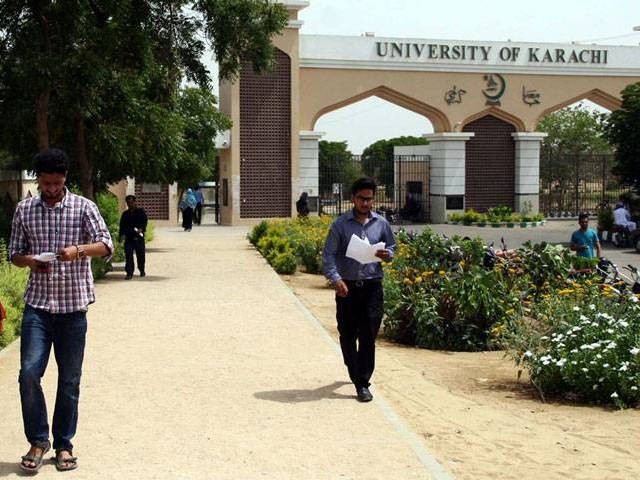
The debate over the separation of the International Center for Chemical and Biological Sciences (ICCBS) from the University of Karachi (KU) has entered a new and sensitive phase. On December 12, 2025, the Sindh chief minister intervened and suspended the review process, temporarily stopping ICCBS from being converted into an independent entity.
This development has created strong reactions within academic circles, donors, researchers, and students, especially after the ICCBS Action Committee demanded a ban on the re-admission of retired director Dr. Iqbal Chaudhry.
This article explains the entire situation in detail, including political background, legal issues, reaction of stakeholders, and what may happen next.
What Is ICCBS and Why It Matters?
The International Center for Chemical and Biological Sciences is one of Pakistan’s leading research institutes, globally respected for its work in:
- Chemical sciences
- Biological sciences
- Molecular research
- Pharmaceutical development
- Advanced scientific training
ICCBS has produced thousands of researchers, published globally cited research papers, and received international funding from donors.
For decades, ICCBS has operated under the umbrella of the University of Karachi, but in recent years, some donors and stakeholders have requested independent status for administrative and financial flexibility.
Why the Proposal for Separation Was Introduced
A legal draft was prepared and presented before the Sindh Cabinet, suggesting that ICCBS should be separated from KU and formed into an autonomous institution.
Supporters of the proposal argue:
- ICCBS can secure more international funding with independent governance
- Administrative issues within KU slow down ICCBS progress
- Global research centers operate independently rather than as departments
However, critics say:
- ICCBS is a public asset and must remain under KU
- Separation will reduce academic oversight
- Donors and individuals may influence policy without university checks
The matter became controversial, prompting the government to seek legal clarification through the Charter Inspection and Evaluation Committee (CIEC).

Chief Minister Puts the ICCBS Separation Process on Hold
A critical meeting of the CIEC, scheduled for Friday, was expected to finalize the legal draft for separation.
However, Sindh CM intervened and ordered postponement, pausing the separation process.
According to officials:
- The CM’s House issued direct instructions
- The meeting was postponed indefinitely
- The legal draft will not be reviewed until further orders
This move was appreciated by some academic groups but heavily criticized by donors who support ICCBS autonomy.
Donors Still Lobbying for ICCBS Separation
Even though the government paused the process, donors associated with ICCBS are still actively lobbying. Their main arguments include:
- ICCBS performance will improve with autonomy
- International collaborations require institutional independence
- Research funding is easier for autonomous scientific bodies
They claim ICCBS can grow faster without KU’s administrative limitations.

ICCBS Action Committee Strongly Opposes the Move
While donors push for independence, the ICCBS Action Committee—comprising staff, teachers, and former students—has strongly opposed separation.
Demands of the Action Committee
- Ban on re-admission of retired director Dr. Iqbal Chaudhry
- Stop the separation bill
- Reform ICCBS leadership structure
- Limit directorship to three years
- Protect KU Senate authority over ICCBS statutes
They held a press conference outside ICCBS, claiming Dr. Chaudhry’s 21-year tenure caused damage to the institution and created an autocratic culture.
Why the Action Committee Opposes Dr. Iqbal Chaudhry’s Return
The committee alleges that Dr. Chaudhry:
- Controlled the institute too rigidly
- Did not allow fair distribution of opportunities
- Misused authority to influence administrative decisions
They also claim his return would shift power dynamics back to a system they believe is harmful to academic freedom.
Allegations Regarding Donor Influence
The committee says the proposed bill may allow certain individuals, including Nadeem Punjvani and Aziz Jamal, to influence ICCBS.
Their concerns include:
- ICCBS may fall under private influence
- Long-term damage to university governance
- Unfair control of research resources
They argue that ICCBS must remain a public research institution accountable to KU and the government.
Legal Position: SHC Ruling on ICCBS Statutes
According to Action Committee member Safir Muhammad, the Sindh High Court (SHC) has already ruled:
- ICCBS statutes must be approved by the KU Senate
- No separate governance model can override KU law
- ICCBS must follow university rules in administrative matters
This makes the separation legally questionable unless KU Senate gives full approval
Pending Court Cases Involving ICCBS Donors
Safir Muhammad disclosed that 5–6 legal cases involving ICCBS donors are still pending in court.
These cases may affect:
- ICCBS governance
- Financial transparency
- Accountability of stakeholders
He emphasized that decisions on ICCBS autonomy should not be made until these cases are resolved.
Why ICCBS Staff and KU Faculty Oppose the Separation
Faculty members argue separation may lead to:
1. Loss of Academic Oversight
Without KU supervision, ICCBS may:
- Change hiring policies
- Alter research priorities
- Reduce university involvement
2. Creation of Parallel Power Structures
If donors or influential individuals gain control, it may:
- Undermine academic freedom
- Limit career growth of researchers
- Create administrative imbalance
3. Risk of Privatizing Public Assets
ICCBS is a national scientific institution built with government funding; separation may lead to its partial privatization.
Why Some Stakeholders Support Separation
On the other hand, supporters highlight:
1. Global Research Standards
Most top scientific institutes work independently.
2. Faster Decision-Making
KU’s administrative bureaucracy slows progress.
3. Better Funding Opportunities
Autonomous status may bring:
- International grants
- Private sector partnerships
- New research programs
4. Improved Management
They argue ICCBS can hire experts and operate with modern governance models.
Political Sensitivity of the Issue
The separation debate has drawn the attention of:
- Sindh government
- KU Senate
- ICCBS faculty
- Donors
- Civil society
- Legal experts
The chief minister’s intervention shows the government wants stability before making any major structural change.
What Happens Next? Key Possibilities
Based on current developments, three outcomes are possible:
1. ICCBS Remains Part of KU
If KU Senate and stakeholders oppose, autonomy may be dropped entirely.
2. ICCBS Gains Limited Autonomy
The government may grant partial independence while keeping KU oversight.
3. ICCBS Becomes Fully Autonomous
If donors influence policy and government agrees, separation may proceed after legal adjustments.
For now, the entire process is on hold, creating uncertainty among students, faculty, and researchers.
Impact on Students and Research Scholars
The uncertainty may:
- Delay research approvals
- Slow grant processing
- Create confusion in admissions
- Affect international collaborations
Students are particularly concerned about how degrees and research supervision might change if ICCBS becomes independent.
Conclusion
The ICCBS separation issue has become a high-stakes academic and political conflict. While donors want autonomy to expand scientific work, the ICCBS Action Committee and KU faculty fear loss of transparency and academic control.
With the Sindh chief minister placing the process on hold, the future of ICCBS remains uncertain. The coming weeks will reveal whether ICCBS continues under the University of Karachi or moves toward full independence.
ICCBS Separation from Karachi University – Top FAQs (2025 Update)
1. Why was the ICCBS separation from Karachi University stopped?
The Sindh chief minister ordered the postponement of a key CIEC meeting, which temporarily stopped the legal process of separating ICCBS from the University of Karachi.
2. Who is opposing the separation of ICCBS from KU?
The ICCBS Action Committee, KU faculty members, and some academic groups strongly oppose the separation. They believe ICCBS must remain under KU for transparency and proper academic oversight.
3. Why is the Action Committee against Dr. Iqbal Chaudhry’s return?
The committee claims that his 21-year tenure created an autocratic environment, limited academic freedom, and caused internal damage to the institution. They demand a ban on his re-admission.
4. Why are donors supporting ICCBS independence?
Donors argue that ICCBS will grow faster, attract more funding, and operate efficiently if it becomes an independent institute instead of remaining under KU’s administrative system.
5. What is the legal status of ICCBS statutes?
According to the Sindh High Court, ICCBS statutes must be approved by the University of Karachi Senate, meaning no independent structure can legally operate without KU Senate approval.