Diesel Gets Major Price Cut in Pakistan While Petrol Price Remains Unchanged
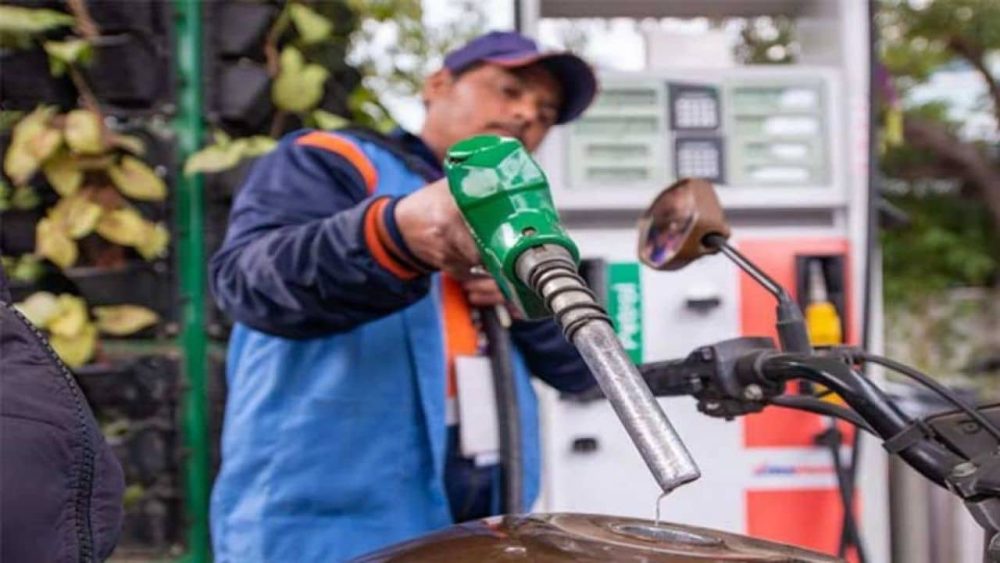
The Government of Pakistan has announced a major reduction in the price of high-speed diesel (HSD), bringing relief to transporters, farmers, and the general public. According to the official notification, diesel prices have been cut by Rs. 14 per liter, while petrol prices remain unchanged for the next fortnight.
The new fuel prices came into effect from December 16, 2025, following recommendations by the Oil and Gas Regulatory Authority (OGRA) and approval from the Ministry of Energy (Petroleum Division).
This article explains the latest diesel and petrol prices in Pakistan, the reasons behind the price cut, its impact on inflation, transport, agriculture, and daily life, and what consumers should expect in the coming weeks.
Latest Fuel Prices in Pakistan – December 2025 Update
The government officially announced the following fuel prices:
Updated Diesel and Petrol Rates
- High-Speed Diesel (HSD):
Rs. 265.65 per liter
(Previously Rs. 279.65 – reduced by Rs. 14) - Petrol (Motor Spirit – MS):
Rs. 263.45 per liter
(No change)
These prices will remain effective for the next 15 days, starting from December 16, 2025.
Why Did the Government Reduce Diesel Prices?
The diesel price cut is mainly linked to global oil market trends and exchange rate movements. According to the Ministry of Energy, the decision was made after reviewing:
- International crude oil prices
- Import costs of refined petroleum products
- Pakistani rupee exchange rate
- Recommendations by OGRA
Global oil prices have shown relative stability, allowing the government to pass on some relief to consumers, especially those dependent on diesel.

Why Petrol Price Was Not Reduced?
Many consumers are asking why petrol prices remain unchanged while diesel prices dropped significantly.
The main reasons include:
- Petrol import costs did not decrease enough
- Higher petroleum levy on petrol
- Government revenue considerations
- Different pricing mechanisms for diesel and petrol
Petrol is mostly used in private vehicles and motorcycles, while diesel supports commercial transport, agriculture, and power generation, making diesel relief more impactful for the economy.
Impact of Diesel Price Cut on Transportation Sector
Diesel is the backbone of Pakistan’s transport sector, used in:
- Trucks and trailers
- Buses and coaches
- Goods transport vehicles
- Railway freight engines
Expected Benefits
- Lower transportation costs
- Reduced freight charges
- Decrease in inter-city travel fares
- Improved supply chain efficiency
Transporters have welcomed the decision, stating that it will help stabilize operating costs after months of high fuel prices.
Relief for Farmers and Agriculture Sector
The diesel price reduction is especially good news for Pakistan’s agriculture sector, where diesel is widely used for:
- Tractors
- Tube wells
- Harvesting machinery
- Crop transportation
Lower diesel prices will:
- Reduce farming input costs
- Help small farmers save money
- Lower food production expenses
- Support upcoming Rabi crops
This could also help control food inflation, which has been a major concern in recent months.
Effect on Inflation and Cost of Living
Fuel prices play a major role in inflation trends in Pakistan.
Positive Economic Impact
- Reduced transport costs may lower prices of essential goods
- Food and vegetable prices may stabilize
- Manufacturing and logistics costs may decrease
- Pressure on consumer inflation may ease
Although petrol prices remain unchanged, the diesel cut is expected to provide indirect relief to households through reduced commodity prices.
Comparison With Previous Fuel Price Trends in 2025
Throughout 2025, Pakistan has seen frequent fuel price adjustments due to:
- Global oil price fluctuations
- IMF-related fiscal measures
- Exchange rate volatility
This Rs. 14 per liter diesel cut is considered one of the largest reductions in recent months, making it a significant development for the economy.
Government’s Strategy on Fuel Pricing
The government follows a fortnightly fuel price review mechanism, adjusting prices every 15 days based on:
- International oil prices
- Import premiums
- Taxes and levies
- Currency exchange rate
While full relief is limited due to fiscal constraints, authorities claim they aim to provide maximum possible relief without harming revenue targets.
Public Reaction to Diesel Price Reduction
Public response to the announcement has been mixed:
👍 Positive Reactions
- Transporters welcomed the move
- Farmers expressed relief
- Business community expects lower logistics costs
👎 Concerns
- Petrol users disappointed with no price cut
- Urban commuters see limited immediate relief
- Calls for broader fuel price reductions
Despite concerns, experts believe diesel relief will have wider economic benefits than petrol cuts alone.
Will Transport Fares Reduce Now?
Transport authorities and provincial governments are expected to review fare structures following the diesel price cut.
However, fare reductions depend on:
- Provincial transport departments
- Local transport unions
- Market competition
Passengers may see gradual fare adjustments rather than immediate reductions.
Possible Future Fuel Price Changes
Fuel prices in Pakistan remain highly sensitive to global developments such as:
- Middle East tensions
- OPEC decisions
- US dollar movement
- Global demand trends
If international oil prices continue to decline, further relief may be possible. However, any increase in crude prices could reverse the gains.
Key Takeaways for Consumers
- Diesel price reduced by Rs. 14 per liter
- Petrol price unchanged
- Relief effective from Dec 16, 2025
- Transport and agriculture sectors benefit most
- Inflationary pressure may reduce gradually
Consumers are advised to monitor official announcements every fortnight for updated fuel prices.
Conclusion
The government’s decision to cut high-speed diesel prices by Rs. 14 per liter is a welcome relief for Pakistan’s economy. While petrol prices remain unchanged, the diesel reduction is expected to lower transportation costs, support agriculture, and help ease inflationary pressure.
Although challenges remain due to global market uncertainties and fiscal limitations, this move signals the government’s intent to provide targeted relief where it matters most. For now, diesel consumers can benefit from reduced costs, while petrol users await future adjustments.
Frequently Asked Questions (FAQs)
1. What is the new diesel price in Pakistan from December 16, 2025?
The new price of high-speed diesel (HSD) in Pakistan is Rs. 265.65 per liter, after a reduction of Rs. 14 per liter announced by the government.
2. Has the petrol price changed in the latest fuel price update?
No, the petrol (motor spirit) price remains unchanged at Rs. 263.45 per liter for the next fortnight.
3. Why did the government reduce diesel prices but not petrol?
Diesel prices were reduced due to lower international diesel import costs and OGRA recommendations, while petrol prices could not be lowered because of higher taxes, levies, and stable global petrol prices.
4. Who will benefit the most from the diesel price cut?
The diesel price reduction will mainly benefit transporters, farmers, goods carriers, and the agriculture sector, as diesel is widely used in trucks, buses, tractors, and tube wells.
5. Will transport fares decrease after the diesel price cut?
Transport fares may decrease, but it depends on provincial transport authorities and transport unions. Any fare reduction is likely to be gradual, not immediate.