
Cement Exports See 3rd Straight Monthly Decline in Pakistan – Detailed 2025 Analysis
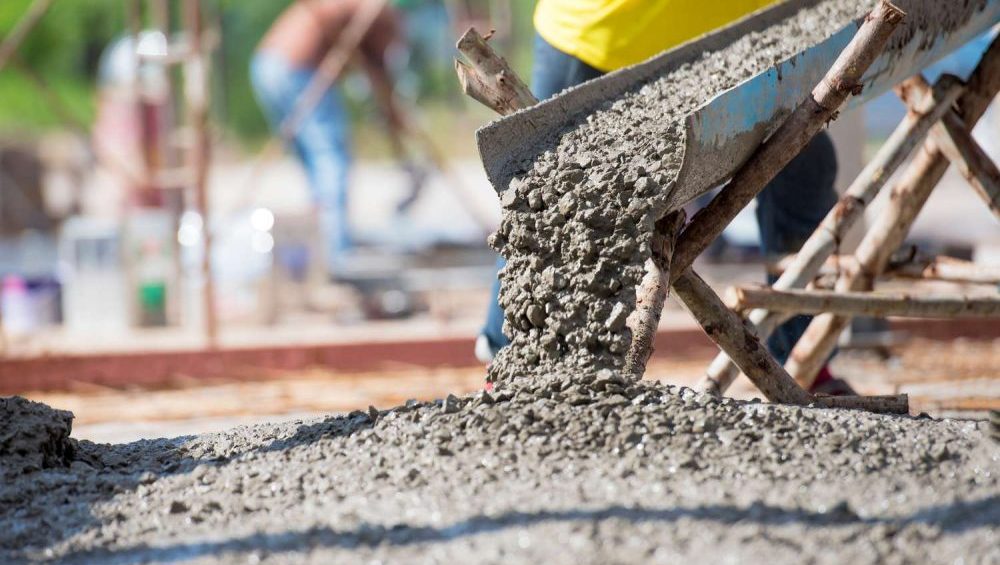
Pakistan’s cement industry is once again under pressure as cement exports recorded a 26.53% year-on-year decline in November 2025, marking the third consecutive monthly fall. The downward trend highlights deep challenges in the external market, border disruptions, high production costs, and a slowdown in regional demand.
According to the All Pakistan Cement Manufacturers Association (APCMA), Pakistan exported 590,183 tons of cement in November 2025 compared to 803,258 tons in November 2024. This drop is much sharper than the declines seen in October (23%) and September (15%).
In this detailed report, we explain why cement exports are falling, how domestic sales are performing, what is happening with north vs south-based mills, and what the industry expects from the government moving forward.

Overview of Pakistan’s Cement Export Decline in November 2025
The fall in cement exports in November is alarming because it is the third straight month of negative growth. Export markets, which once helped stabilize the industry during domestic slowdowns, are now showing signs of severe weakness.
Key Highlights:
- Exports dropped 26.53% YoY
- November exports: 590,183 tons
- Last year (Nov 2024): 803,258 tons
- Third consecutive monthly decline
- North region exports almost zero (border closure)
- South mills also down by 7.08%
This trend raises questions about competitiveness, pricing, border access, and global demand.
Read Also: Punjab Govt Launches ‘Apni Zameen Apna Ghar’ Housing Project for Low-Income Families
Why Are Cement Exports Falling? – Major Reasons Explained
1. Pakistan-Afghanistan Border Closure
This is the biggest reason for the drastic fall in November exports.
- North-based cement mills rely heavily on Afghanistan and Central Asian countries.
- Since the Torkham border has been closed since late October, export trucks cannot cross.
- As a result, north mills recorded nearly zero exports during the entire month.
2. Rising Cost of Production
Fuel, coal, and energy costs are at record highs in 2025:
- Imported coal becomes expensive due to global market volatility.
- Electricity tariffs are rising due to IMF-linked reforms.
- Freight charges are higher.
These factors make Pakistan’s cement costlier than regional competitors like Iran, India, Vietnam, and Bangladesh.
3. Drop in International Demand
Global construction demand has slowed due to:
- Rising interest rates
- Property market correction in Gulf countries
- Slowdown in East African markets
Pakistan’s top export destinations — Afghanistan, Sri Lanka, Bangladesh, Kenya, and Qatar — have all reduced their cement imports.
4. Strong Dollar and Price Competitiveness
With a strong US Dollar:
- Exporters face higher costs.
- Importing countries prefer cheaper regional alternatives.
North-Based Mills vs South-Based Mills – Who Suffered More?
Pakistan’s cement industry is divided into two regional clusters: north and south.
North-Based Mills
- Major regions: Punjab, KP, AJK
- Exports depend heavily on land routes
- Recorded almost zero exports in November
- Main reason: Pakistan-Afghanistan border closure
South-Based Mills
- Major regions: Sindh, Balochistan (ports access)
- Export markets: Middle East, Africa, Sri Lanka
- Exports declined 7.08%
- November 2025 exports: 590,021 tons
- November 2024 exports: 634,993 tons
Although south mills also showed a decline, they still managed to keep a large portion of exports due to sea-based shipments.
Read Also: Big Relief for Pakistanis: UAE Plans New Visa Reforms After Talks With Minister Aurangzeb
Domestic Cement Dispatches Increase Despite Export Pressure
While exports are declining, domestic sales are improving.
November 2025 Domestic Sales
- 3.549 million tons
- Up 2.23% year-on-year
This rise shows increased construction activity in:
- Private housing
- Commercial real estate
- Infrastructure projects
- Government development schemes
Domestic demand is helping stabilize the industry during a difficult export environment.
Regional Domestic Dispatch Comparison
North-Based Mills
- 3.019 million tons supplied locally
- Increase of 6.27%
- Shows strong domestic construction activity in Punjab and KP
South-Based Mills
- 530,637 tons sold locally
- Decline of 15.92%
- Major reason: slowdown in Karachi and Sindh real estate market
Cement Industry Performance in First 5 Months (July–November 2025)
Despite the November setback, the cumulative performance for FY2025-26 seems better.
Total Dispatches (Domestic + Export)
- 21.445 million tons
- Up 11.54% from last year (19.226 million tons)
Domestic Sales (July–Nov 2025)
- 17.435 million tons
- Up 14.71%
Exports (July–Nov 2025)
- 4.009 million tons
- Almost flat compared to last year (4.027 million tons)
Regional Breakdown
- North Mills: +14.31% growth
- South Mills: +4.79% growth
This shows that long-term demand is positive, but exports remain volatile.
Industry Concerns: Rising Costs & Lack of Government Support
A spokesperson for APCMA emphasized that Pakistan’s cement industry can grow only if:
- Taxes and duties are reduced
- Coal and power tariffs are rationalized
- Export incentives are provided
- Border trade issues are addressed quickly
Industry Demands:
- Reduction in federal excise duty on cement
- Cut in import tariffs on coal
- Preferential financing for cement plants
- Stable exchange rate
- Market-specific export rebates
The spokesperson said:
“We can achieve growth provided the government gives concessions on duties and taxes that will ultimately benefit the end-consumer.”
Read More: Pakistan’s Internet Quality Declines: IT Sector Urges Immediate Upgrades for Digital Growth
Impact of Export Decline on Pakistan’s Economy
Cement is a major contributor to:
- Construction sector
- Export earnings
- Employment
- Domestic industrial activity
A decline in cement exports can lead to:
- Loss of foreign exchange reserves
- Higher cost of production due to lower economies of scale
- Reduction in industry profitability
- Possible slowdown in plant expansions
- Job losses in related sectors (transport, logistics, mining)
Future Outlook for Pakistan’s Cement Sector in 2026
Positive Signals
- Domestic demand expected to grow due to government housing schemes
- Large infrastructure plans under federal PSDP
- Private construction showing recovery in Punjab
- Possible reopening of borders in coming months
Negative Risks
- Continued geopolitical tensions
- High inflation and energy tariffs
- Tough competition in the export market
- Unstable regional demand
Export Outlook
Exports may recover only if:
- Border with Afghanistan reopens
- Government offers incentives
- Global freight and coal prices stabilize
Conclusion
Pakistan’s cement industry is at a critical stage. While domestic sales are increasing, the export sector is shrinking for the third straight month. This is mainly due to border closures, high production costs, and reduced global demand.
If the government supports the industry through policy reforms and reduced taxes, Pakistan can regain competitiveness in regional export markets. Until then, export numbers may continue to fluctuate, keeping the industry under pressure.
FAQs – Cement Exports in Pakistan (2025)
1. Why did cement exports decline in November 2025?
Exports fell due to the Afghanistan border closure, high production costs, and slowdown in regional demand.
2. Which region suffered most in November 2025?
North-based cement mills suffered the most because their exports dropped to nearly zero.
3. Did domestic cement sales increase in November 2025?
Yes, domestic dispatches increased by 2.23%, showing strong local construction activity.
4. Are total cement dispatches increasing this fiscal year?
Yes, total dispatches for July–November 2025 increased by 11.54% compared to last year.
5. What does the industry want from the government?
The cement sector demands lower taxes, cheaper fuel, and export incentives to improve competitiveness.