Bilawal Bhutto and Maryam Nawaz Exchange Courteous Messages Amid Political Tensions

Introduction
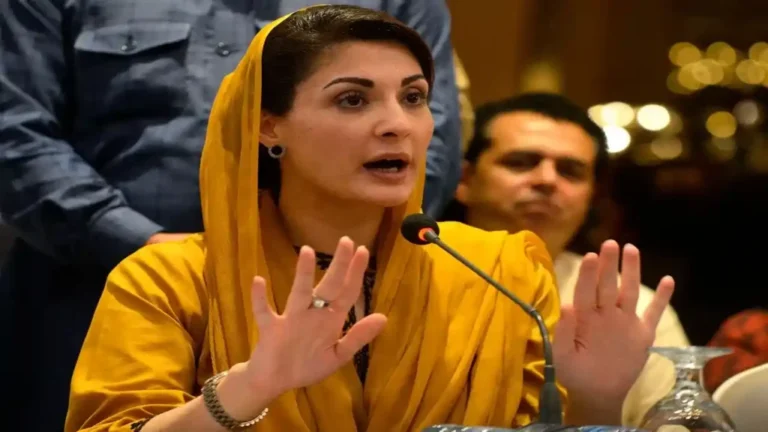
In a rare and notable political moment, PPP Chairman Bilawal Bhutto-Zardari and Punjab Chief Minister Maryam Nawaz exchanged courteous messages on social media platform X (formerly Twitter). This interaction came at a time when political differences between the Pakistan Peoples Party (PPP) and the Pakistan Muslim League-Nawaz (PML-N) have remained visible for months.
The polite exchange attracted wide attention because both leaders belong to governing allies, yet their parties often show disagreements on governance, power sharing, and political direction. Bilawal’s four-day visit to Lahore provided the background for this symbolic gesture, which many analysts see as a sign of political maturity, while others believe it is a carefully calculated move.
This article explains the background, political meaning, public reaction, and future impact of this exchange in simple and easy English.
Background of Bilawal Bhutto’s Visit to Lahore
Bilawal Bhutto-Zardari recently completed a four-day political visit to Lahore, the capital of Punjab and the political stronghold of the PML-N. During his stay, he held meetings with party workers, local leaders, and media representatives.
Although his visit was officially routine, it carried political weight. Lahore has historically been a sensitive city for PPP leadership, and Bilawal’s presence there sent a message of engagement and political confidence.
During his interactions with journalists, Bilawal also made remarks that subtly hinted at political cooperation, including a statement where he said he would be “very happy” if Maryam Nawaz contested elections from Sindh. This comment later became central to the social media exchange.

Maryam Nawaz’s Message on X: A Warm Welcome
Punjab Chief Minister Maryam Nawaz initiated the courteous interaction by posting a message on X. She warmly welcomed Bilawal Bhutto-Zardari to Punjab and used respectful language that surprised many political observers.
In her message, she wrote:
“Punjab is your home, and you will always find a place of respect here.”
She further thanked Bilawal for his “gracious remarks” and extended good wishes and prayers for him. Although she did not directly mention which statement she was referring to, it was widely understood that she was responding to Bilawal’s comment about her political future.
This gesture stood out because political relations between PPP and PML-N have often been tense, even while being coalition partners.
Bilawal Bhutto’s Response: Appreciation and Diplomacy
Bilawal Bhutto-Zardari responded a day later with equal politeness and restraint. In his reply, he thanked Maryam Nawaz for her welcoming words and called it a “positive gesture.”
His response read:
“Thank you, madam chief minister, for the warm welcome and positive gesture.”
Though short, the message carried political significance. Bilawal chose respectful language, avoided controversy, and maintained a diplomatic tone — a move seen as intentional by political analysts.

Why This Exchange Is Politically Important
1. Rare Display of Political Courtesy
In Pakistan’s highly polarized political environment, respectful exchanges between top leaders of rival or semi-rival parties are uncommon. This interaction showed that political disagreements do not always require personal hostility.
2. Managing Coalition Dynamics
PPP and PML-N are governing allies at the federal level, but tensions have surfaced on several policy issues. This courteous exchange may help cool down political friction and improve working relationships within the coalition.
3. Message to Party Workers
Such gestures send a message to party supporters that dialogue and respect are still possible, even amid competition. It may also discourage aggressive political rhetoric at the grassroots level.
Public and Social Media Reaction
The exchange quickly became a trending topic on Google searches and social media platforms. Citizens, journalists, and political commentators shared mixed reactions:
- Some praised both leaders for showing political maturity
- Others criticized the exchange as symbolic diplomacy without real policy impact
- Supporters of both parties debated the sincerity behind the messages
Search trends such as “Bilawal Maryam X messages,” “Bilawal visit Lahore,” “PPP PML-N relations,” and “Maryam Nawaz welcomes Bilawal” saw a noticeable rise.
Political Tensions Still Remain
Despite the polite tone, analysts agree that underlying tensions between PPP and PML-N still exist. Differences remain on:
- Distribution of political power
- Governance priorities
- Provincial autonomy issues
- Future election strategies
The exchange did not resolve these issues but showed that communication channels remain open.
Bilawal’s Statement About Sindh: Strategic or Casual?
Bilawal’s earlier remark about Maryam Nawaz contesting elections from Sindh raised eyebrows. While some viewed it as a light-hearted comment, others saw it as a strategic political signal.
For Maryam, responding politely avoided controversy and helped maintain her image as a calm and confident provincial leader. For Bilawal, the statement reinforced his national political outlook rather than a purely Sindh-centric identity.
Impact on Future Politics
Improved Political Tone
If such respectful communication continues, it could improve the overall political tone in Pakistan.
Coalition Stability
Public gestures of goodwill help maintain coalition stability, especially during challenging governance periods.
Electoral Strategy
Though elections are still ahead, these interactions may influence future political alignments and campaigning strategies.
Expert Opinions
Political experts believe the exchange reflects controlled diplomacy rather than emotional politics. According to analysts:
- Both leaders are conscious of their national image
- The exchange was carefully worded
- It was meant to signal unity without compromising party positions
Comparison With Past Political Interactions
Historically, relations between PPP and PML-N leadership have been marked by rivalry. Compared to past verbal confrontations, this exchange represents a shift toward soft political communication, at least at the leadership level.
Conclusion
The courteous exchange of messages between Bilawal Bhutto-Zardari and Maryam Nawaz may appear brief, but it carries deeper political meaning. It reflects an effort to maintain respectful dialogue despite ongoing tensions between PPP and PML-N.
While it does not signal a major political shift, it does highlight the importance of diplomacy, maturity, and symbolic gestures in Pakistan’s complex political environment. Whether this warmth translates into better governance or long-term cooperation remains to be seen.
For now, the interaction stands as a rare example of civil political engagement in a country where politics is often loud and confrontational.
Frequently Asked Questions (FAQs)
1. Why did Bilawal Bhutto and Maryam Nawaz exchange messages on X?
Bilawal Bhutto and Maryam Nawaz exchanged messages on X as a gesture of political courtesy during Bilawal’s four-day visit to Lahore. The exchange showed mutual respect despite ongoing political differences between PPP and PML-N.
2. What did Maryam Nawaz say about Bilawal Bhutto’s visit to Punjab?
Maryam Nawaz warmly welcomed Bilawal Bhutto to Punjab, stating that Punjab is his home and that he would always be treated with respect. She also thanked him for his gracious remarks and wished him well.
3. How did Bilawal Bhutto respond to Maryam Nawaz’s message?
Bilawal Bhutto thanked Maryam Nawaz for the warm welcome and described her message as a positive gesture, maintaining a polite and diplomatic tone in his response.
4. Does this exchange mean political tensions between PPP and PML-N are over?
No, the exchange does not mean tensions are over. While the messages showed goodwill and maturity, political differences between PPP and PML-N still exist on governance and policy matters.
5. Why is this interaction important in Pakistan’s politics?
This interaction is important because respectful exchanges between senior leaders of different parties are rare in Pakistan. It signals political maturity, helps maintain coalition stability, and reduces aggressive political rhetoric.