
Pakistan’s SPEL Limited Launches 575KW Solar Power Plant – A Major Step Toward Green Energy
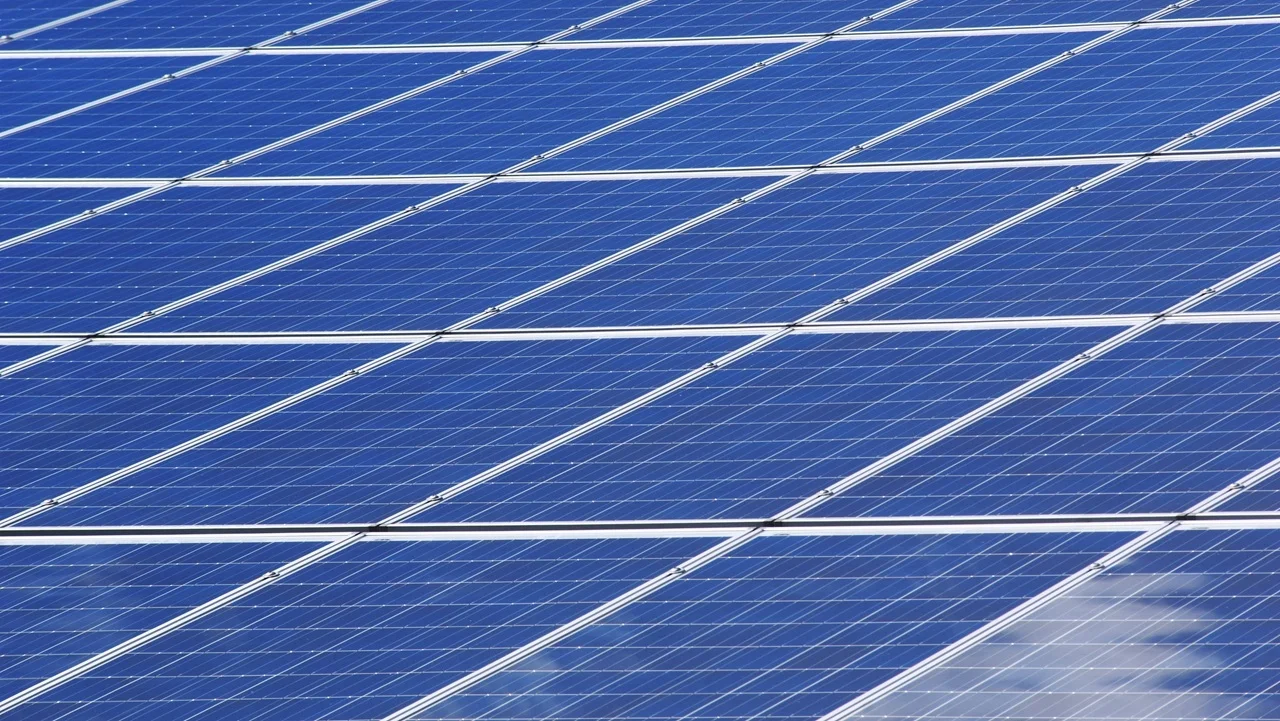
Pakistan’s renewable energy shift continues to accelerate, and one of the latest contributors is SPEL Limited, which has successfully launched a 575KW solar power plant. With this addition, the company’s total green energy capacity has reached 4.1MW, marking a significant milestone in its sustainability journey.
This development also comes at a time when Sindh Government is preparing to distribute 50,000 Hari Cards and solar panels to support low-income households, showing that both private and public sectors in Pakistan are now aligned toward clean energy adoption.
In this 1500-word detailed article, we will explore SPEL’s initiative, Pakistan’s growing solar market, industry trends, government actions, ESG commitments, and what this means for the country’s future.

What is SPEL Limited? – A Brief Introduction
SPEL Limited, formerly Synthetic Products Enterprises Limited, is one of Pakistan’s leading manufacturers of:
- Auto parts (plastic components)
- Plastic packaging for food, beverages, and FMCG industries
- Moulds and dies for industrial manufacturing
- Engineering and design solutions
With decades of experience and a strong corporate reputation, SPEL supplies products to major local and international companies.
Over the years, the company has shifted toward sustainable manufacturing practices, focusing on:
- Lowering carbon footprint
- Reducing dependence on grid electricity
- Adopting renewable energy
- Implementing energy-efficient systems
- Supporting environmental, social, and governance (ESG) goals
The commissioning of the new 575KW solar system fits perfectly into this vision.
Read Also: Punjab Govt Launches ‘Apni Zameen Apna Ghar’ Housing Project for Low-Income Families
Details of SPEL’s 575KW Solar Power Project
SPEL Limited announced through a notice to the Pakistan Stock Exchange (PSX) that it successfully commissioned a 575-kilowatt solar system at its facility.
Key Highlights of the Solar Project
- New Solar Capacity: 575KW
- Total Renewable Energy After Addition: 4.1MW
- Existing Renewable Energy Capacity: 3.55MW
- Annual Electricity Needs Covered by Solar: 24%–29%
- Purpose: Reduce costs, promote sustainability, and support Pakistan’s clean energy transition
- Outcome: Significant reduction in factory emissions, improved ESG score, long-term cost savings
This expansion shows that SPEL is not only modernizing its production operations but is also preparing itself for the future where energy efficiency and environmental responsibility will define industrial competitiveness.
Why SPEL is Investing in Renewable Energy
There are several compelling reasons behind SPEL’s continuous investment in solar power:
✔ 1. High Electricity Costs in Pakistan
Power tariffs have increased sharply, impacting industrial margins. Solar power provides a long-term cost-saving solution.
✔ 2. Energy Reliability Issues
Load shedding and voltage fluctuations disrupt production. On-site solar systems ensure a reliable supply of power.
✔ 3. ESG Compliance
Global brands increasingly demand suppliers to follow Environmental, Social & Governance (ESG) standards.
By expanding renewable energy, SPEL improves its ESG score and global competitiveness.
✔ 4. Government Encouragement for Renewable Energy
Pakistan is promoting green energy through incentives, net-metering, and corporate solar installations.
✔ 5. Long-Term Sustainability Goals
Solar energy helps reduce carbon emissions and promotes environmental sustainability.
Solar Energy Growth in Pakistan – A Rapid Transformation
Pakistan is entering a solar energy revolution.
According to the Policy Research Institute for Equitable Development (PRIED), the country now has over 33 gigawatts (33,000MW) of installed solar photovoltaic (PV) capacity, driven mainly by residential and commercial adoption.
Why Solar Power is Growing Fast
- Rising cost of electricity
- Lowering price of solar panels globally
- Government support for net-metering
- Growing awareness about climate change
- Improved financing options for households and businesses
- Companies seeking to lower operational costs
Pakistan’s solar sector is among the fastest-growing in South Asia.
Read Also: Punjab Govt Launches ‘Apni Zameen Apna Ghar’ Housing Project for Low-Income Families
Companies Investing in Solar Power in Pakistan
Many major industries in Pakistan are shifting to renewable energy.
1. J.K. Spinning Mills Limited
In July 2025, the company announced a plan to install an additional 7MW solar system, boosting its renewable energy share.
2. Tariq Corporation Limited
In March 2025, it revealed the commissioning of a 200KW solar system for its sugar manufacturing facility.
3. Sitara Chemical Industries
Already running one of the largest industrial solar plants in Pakistan.
4. Packages Group & Nestlé Pakistan
These companies are also actively expanding solar-powered operations.
SPEL’s new project joins this growing list and enhances the industrial shift toward clean power.
Sindh Government to Distribute 50,000 Hari Cards & Solar Panels
The Sindh Government recently announced the distribution of 50,000 Hari Cards and solar panel systems for poor and low-income farmers.
Purpose of the Hari Cards Program
- Empower small farmers
- Reduce electricity burden
- Ensure access to clean energy
- Support agricultural productivity
- Provide financial assistance and subsidies
The government also aims to distribute solar home systems, providing free or low-cost solar panels to eligible households to reduce grid dependency and improve quality of life.
This public-sector push complements the private-sector initiatives like SPEL’s solar framework.
Read Also: Big Relief for Pakistanis: UAE Plans New Visa Reforms After Talks With Minister Aurangzeb
How SPEL’s Solar Expansion Supports Pakistan’s Energy Future
SPEL’s solar project contributes to several key national goals:
1. Reducing National Dependence on Fossil Fuels
Pakistan’s heavy reliance on imported fuel increases costs. Solar energy lowers import dependency.
2. Supporting Clean and Sustainable Industrialization
Industries adopting renewable energy help reduce pollution and promote sustainable development.
3. Contribution to National Climate Goals
Pakistan aims to reduce its carbon emissions under global climate agreements.
4. Improving Grid Stability
Large industries using their own solar power reduce pressure on the national grid.
5. Encouraging Other Industrial Units
SPEL’s success can motivate many other companies to follow similar solar strategies.
Benefits of SPEL’s New Solar Power Project
✔ Lowered Electricity Bills
Solar power significantly reduces long-term operational expenses.
✔ Cleaner Manufacturing Process
Using green energy helps produce environmentally responsible products.
✔ Enhanced Brand Image & ESG Rating
Green energy adoption improves stakeholder trust and global recognition.
✔ Better Energy Reliability
Reduced load shedding impact ensures smoother production.
✔ Contribution to Pakistan’s Energy Independence
Industries generating their own power reduce the overall national energy burden.
✔ Long-Term Investment Returns
Solar installations pay back the investment in a few years.
Impact on Pakistan’s Industrial Sector
SPEL’s initiative shows a powerful trend:
Pakistan’s industries are ready to adopt clean energy solutions to stay competitive, reduce costs, and meet international standards.
This can lead to:
- More solar installations across factories
- Lower industrial electricity demand
- Enhanced sustainability reporting
- Increased exports due to ESG compliance
- Cleaner air and lower emissions nationwide
Is Solar Energy the Future of Pakistan?
Yes — all signs indicate that Pakistan is moving toward a solar-powered future.
Why?
- Abundant sunlight
- Rising cost of grid electricity
- Strong demand for reliable energy
- Government programs supporting solar adoption
- Technological improvements reducing panel cost
With public and private sectors working together, Pakistan can achieve major renewable energy milestones in the coming years.
Conclusion
The commissioning of the 575KW solar power plant by SPEL Limited is a major milestone not only for the company but also for Pakistan’s renewable energy landscape. Combined with the Sindh Government’s 50,000 Hari Cards and solar panel distribution drive, it shows that Pakistan is firmly set on a clean-energy path.
As more companies and households turn to solar, the country moves closer to:
- Energy independence
- Reduced electricity bills
- Sustainable industrial growth
- Better environmental protection
SPEL’s project is a strong example of how private-sector leadership can support national progress and create long-term value for Pakistan’s economy and society.
SPEL Limited Solar Power Project 575KW – FAQs
1. What is the total solar power capacity of SPEL Limited after the new installation?
SPEL Limited now has a total renewable energy capacity of 4.1MW, including the newly added 575KW solar plant.
2. How much of SPEL’s annual electricity needs are met through solar energy?
The company meets approximately 24% to 29% of its total yearly electricity requirements using solar power.
3. Why is SPEL investing heavily in solar energy?
SPEL aims to reduce electricity costs, improve production reliability, meet ESG standards, and contribute to Pakistan’s clean energy goals.
4. How is the Sindh Government supporting solar energy adoption?
Sindh Government is launching a major program to distribute 50,000 Hari Cards and solar panel systems to support poor farmers and promote clean household energy.
5. Is solar energy becoming common in Pakistan’s industries?
Yes. Many companies—including J.K. Spinning Mills, Tariq Corporation, and Sitara Chemical—are expanding solar installations due to rising electricity prices and sustainability requirements.