
Breaking: Chilgoza Prices Crash Across Pakistan Massive Drop Shocks Market
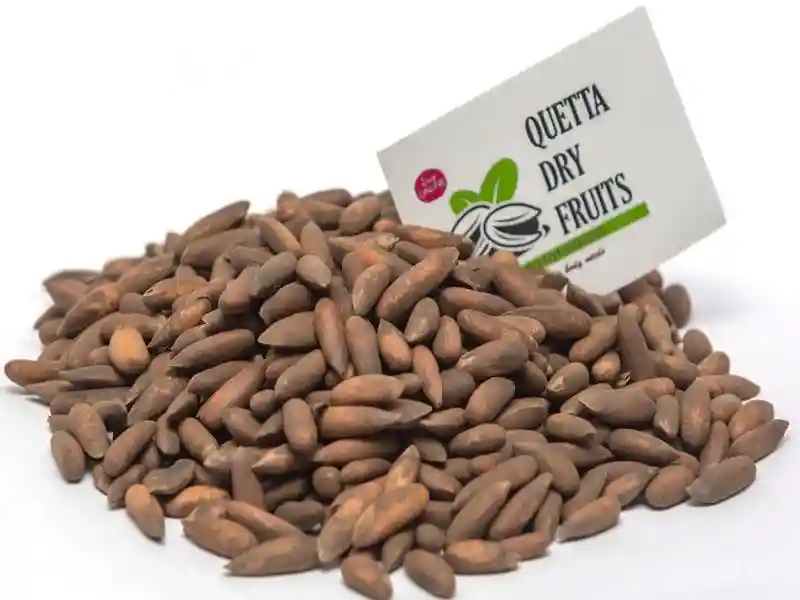
The Chilgoza Prices Crash Across Pakistan has dropped sharply across major wholesale and retail markets. This sudden price crash has shocked traders, farmers, exporters, and customers who have long considered Chilgoza a luxury commodity.
What Are Chilgoza Pine Nuts? – Introduction & Background
Chilgoza, known internationally as Pine Nuts, is a prized dry fruit harvested mainly from the forests of Balochistan, Khyber Pakhtunkhwa, Gilgit-Baltistan, and Afghanistan.
It is valued for:
- Rich taste & aroma
- High nutritional benefits
- Limited global production
- Strong international demand
Because of its short harvesting season and sensitive climate requirements, Chilgoza has historically commanded extremely high prices—often ranging from Rs. 8,000 to Rs. 12,000 per kg.

Breaking News: Chilgoza Prices Crash Across Pakistan
Over the past several days, wholesale markets in Pakistan have reported a massive drop in Chilgoza prices, surprising both traders and consumers.
According to the latest wholesale market updates:
- Chilgoza Price Drop: 20% to 45%
- Current Average Price: Rs. 4,500 to Rs. 7,000 per kg
- Previous High Prices: Rs. 9,000 to Rs. 12,500 per kg
This steep decline has created both opportunities for buyers and concerns for producers.
Read Also: Pakistan Faces Another Sugarcane Crisis – Agriculture Under Pressure

Latest Chilgoza Prices in Pakistan – Updated Market Rates
Chilgoza Price in Pakistan Today – City-Wise Rates
| City | Old Price/kg | New Price/kg | Percentage Drop |
|---|---|---|---|
| Karachi | Rs. 10,800 | Rs. 7,200 | ↓ 33% |
| Lahore | Rs. 9,900 | Rs. 6,500 | ↓ 34% |
| Islamabad | Rs. 11,200 | Rs. 7,800 | ↓ 30% |
| Peshawar | Rs. 9,700 | Rs. 5,900 | ↓ 39% |
| Quetta | Rs. 12,000 | Rs. 7,000 | ↓ 42% |
| Gilgit | Rs. 8,500 | Rs. 4,500 | ↓ 47% |
These updated rates show a historic fall, making Chilgoza more affordable for the first time in years.

Why Chilgoza Prices Dropped in Pakistan? – Key Reasons Explained
The sudden drop in pine-nut prices is linked to several major factors:
1. Oversupply After a Strong Harvest Season
Pakistan and Afghanistan—two major producers—saw above-average yields this season.
This caused:
- High stock availability
- Reduced pressure on demand
- Lower wholesale market bids
2. Decline in International Export Demand
Export orders from:
- China
- Middle East
- Europe
have slowed down due to global economic uncertainty. As a result, exporters are offloading stock locally at lower prices.
3. Smuggling Routes Disrupted
Strict monitoring along the Pak-Afghan border significantly reduced illegal Chilgoza transport.
With supply shifting to legal local markets, competition increased and prices dropped.
4. Currency Stability – Rupee Gaining Strength
Compared to volatile months, the Pakistani Rupee has remained more stable, reducing import pressure and stabilizing commodity rates.
5. Rise of Cheaper Imported Alternatives
Some traders have started importing:
- Iranian pine nuts
- Chinese pine nuts
These cheaper alternatives have forced the local market to adjust prices downward.
Read More: CM Maryam Nawaz Announces Major Governance Reforms Across Punjab – Complete Update

Impact of the Chilgoza Price Crash on Pakistani Markets
1. Relief for Consumers
For the first time in years, middle-income families can afford Chilgoza during:
- Winter season
- Wedding season
- Dry-fruit gifting season
2. Losses for Farmers & Forest Communities
Farmers in:
- Zhob
- Sherani
- Kurram Agency
- Chitral
are reporting profit cuts, as the market is saturated and buyers are bargaining aggressively.
3. Exporters Facing Competition
Lower international demand has caused traders to freeze shipments or sell at minimum profit margins.
Chilgoza Market Forecast 2025 – Expert Predictions
Analysts expect short-term volatility and long-term recovery:
- Prices may remain low for the next 2–3 weeks
- Once winter demand rises, rates may gradually stabilize
- Export market recovery in 2026 could push prices back up
Experts warn that too much supply and weak foreign demand will continue to pressure prices.
Health Benefits of Chilgoza Pine Nuts – Why Demand Remains Strong
Despite price drops, Chilgoza remains highly sought after due to health advantages:
- Boosts immunity
- Improves heart health
- Rich in antioxidants
- High in healthy fats
- Supports brain function
These qualities ensure long-term consistent demand.
Read More: Is MG Binguo EV Truly the Electric Suzuki Alto Killer Pakistan Wants? – Full Comparison 2025
How to Identify Original High-Quality Chilgoza?
Follow these tips:
- Choose thick-shell long pine nuts
- Check for fresh aroma
- Avoid overly pale or cracked nuts
- Prefer Zhob & Chitral origin
- Avoid nuts with black spots
Quality affects price—premium Chilgoza will still cost more despite the overall price drop.
Conclusion
The unexpected crash in Chilgoza prices across Pakistan has completely reshaped the dry-fruit market. Where prices once touched record highs, they have now dropped by up to 47%, offering relief to buyers and significant challenges for producers.
With improving supply chains, currency stability, and slow export orders, the market is undergoing a temporary correction. While this drop benefits consumers, it presents financial risks for farmers and exporters.
The coming months will reveal whether prices stabilize or rebound as demand rises during the peak dry-fruit season.
FAQs – Chilgoza Price Drop in Pakistan
1. Why did Chilgoza prices drop in Pakistan?
Due to oversupply, weak export demand, and increased competition from cheaper imported nuts.
2. What is the Chilgoza price today?
Current rates range between Rs. 4,500 to Rs. 7,800 per kg, depending on the city.
3. Will Chilgoza prices increase again?
Prices may rise in winter as demand increases but remain lower than last year.
4. Which city has the cheapest Chilgoza?
Gilgit currently offers the lowest price—around Rs. 4,500 per kg.
5. Are imported pine nuts affecting local prices?
Yes, cheaper Chinese and Iranian pine nuts are pushing local prices down.