Pakistan’s Energy Crisis Turns Brutal for Low-Income Families – PIDE Warns of Dangerous Social Emergency
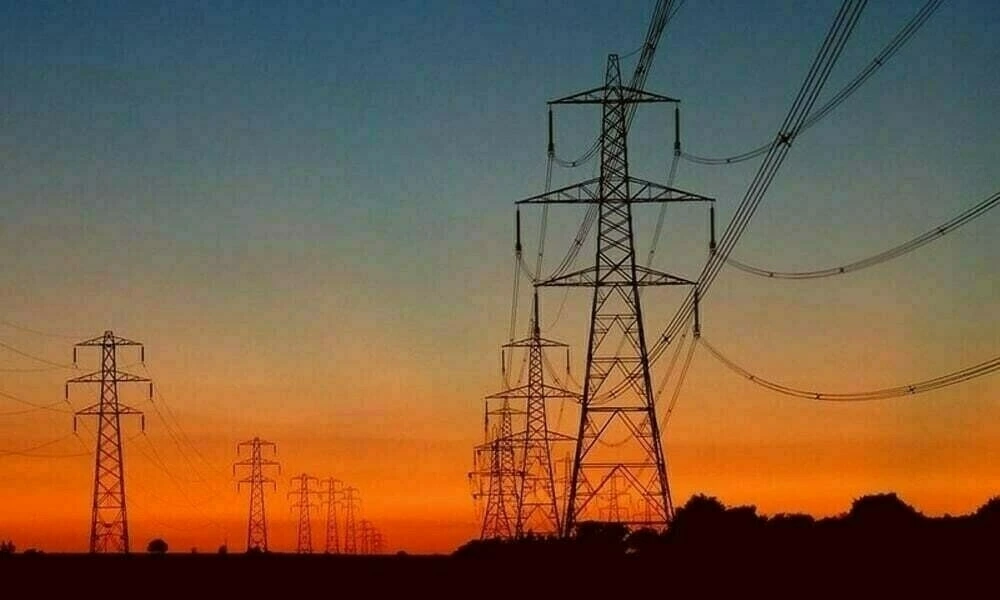
Pakistan’s energy crisis has reached a breaking point, and its impact is falling hardest on the country’s most vulnerable families. A new report by the Pakistan Institute of Development Economics (PIDE) reveals that the power sector has entered a “serious social emergency” driven by corruption, poor governance, rising electricity prices, and an outdated tariff system that punishes the poor.
PIDE’s findings show that electricity has become unaffordable for millions, with prices increasing sharply over the last decade. Circular debt has crossed an alarming Rs. 2,600 billion, which the think tank warns is unsustainable and harmful for Pakistan’s economic future.
This detailed article explains the crisis, its root causes, the unfair burden on low-income families, and the urgent reforms recommended by PIDE.
1. Understanding Pakistan’s Energy Crisis in 2025
Pakistan’s energy sector has faced problems for decades, but PIDE’s latest report confirms that the situation in 2025 is the worst in history.
The biggest issues highlighted include:
- Exploding electricity tariffs
- Massive circular debt exceeding Rs. 2.6 trillion
- Flawed tariff structure hurting the poor
- Poor governance in DISCOs (electricity distribution companies)
- Non-energy charges covering corruption and inefficiency
The crisis is no longer just an economic issue. It has now become a major social problem, pushing poor families into deeper poverty.
Read Also: Breaking News: NADRA Launches Online Biometric Verification for Islamabad Vehicle Transfers
2. Electricity Prices Have Nearly Tripled in 10 Years
One of the most shocking findings in the PIDE report is the dramatic increase in electricity tariffs from 2015 to 2025.
- National tariff tripled in 10 years
- Low-income slab rates doubled
- Middle-income rates increased significantly
- Rich households pay more per unit but face fewer extra charges
Here is a quick breakdown:
| Income Group | Rate (2015) | Rate (2025) | Increase |
|---|---|---|---|
| Poor households (0–100 units) | Rs. 11.72 | Rs. 22.44 | Doubled |
| Middle-income households | – | Rs. 34.20 | Very high |
| Richest households | – | Rs. 46.50 | High |
Even though rich households pay the highest per-unit tariffs, they are still not the ones suffering the most.
Why?
Because low-income families pay more extra fees and surcharges.
Read Also: Breaking News: NADRA Launches Online Biometric Verification for Islamabad Vehicle Transfers
3. Poor Families Pay Higher Hidden Charges – The Unfair Billing System
PIDE’s research shows a deeply unfair electricity billing structure in Pakistan.
Key findings:
- 60% of non-energy charges (taxes, fees, surcharges) fall on the poor
- The richest households pay only 30% of these charges
- 37% of the electricity bill of the poorest families is made up of circular debt surcharges alone
- Poor households pay 55–60% of all surcharges in the country
- Richer families contribute only 15–20%
This means that even if a poor family consumes less electricity, they still end up paying more than their fair share.
Why does this happen?
Pakistan’s electricity billing system includes:
- Fuel price adjustments (FPA)
- Quarterly adjustments
- Debt surcharges
- Taxes on taxes
- Capacity payments to IPPs
These surcharges are not based on consumption but are flat charges, which affect low-usage households the most.
Read Also: Breaking News: NADRA Launches Online Biometric Verification for Islamabad Vehicle Transfers
4. Circular Debt Crosses Rs. 2,600 Billion – The Real Cause of High Bills
Circular debt is the biggest threat to Pakistan’s power sector.
What is circular debt?
It is the money owed by the government to power producers because of:
- High line losses
- Electricity theft
- Inefficient distribution companies (DISCOs)
- Delayed payments
- Expensive power purchase agreements
As of 2025:
Pakistan’s circular debt has exceeded Rs. 2,600 billion.
This massive debt is now being recovered through higher tariffs and surcharges, which directly impact low-income families.
5. Electricity Distribution Companies – The Main Source of the Problem
PIDE’s report heavily criticizes Pakistan’s DISCOs, saying they have:
- High losses
- Weak performance
- Corruption
- Poor bill recovery
- Outdated systems
The result:
- Circular debt keeps rising
- More surcharges are added
- Consumers suffer
- Prices rise every year
DISCOs like MEPCO, LESCO, SEPCO, and PESCO often recover their losses by overcharging honest consumers, especially the poor.
6. How the Energy Crisis Is Pushing People Into Poverty
Electricity is essential for:
- Cooking
- Lighting
- Children’s education
- Water pumps
- Small home businesses
Now, rising bills are forcing families to:
- Reduce meals
- Stop using fans or lights at night
- Withdraw children from school
- Close small home-run businesses
The poorest families now spend 20–30% of their monthly income on electricity alone.
This is unsustainable.
7. Why the Poor Are Treated Unfairly – PIDE’s Explanation
PIDE says the government’s tariff design is not based on income, but on outdated assumptions.
3 main structural flaws:
✔ 1. Cross-subsidy model is broken
Poor households are supposed to be protected, but they actually pay the highest share of surcharges.
✔ 2. DISCO losses are dumped on the poor
Instead of punishing corrupt officials, the burden is shifted to consumers.
✔ 3. Rich homes consume more but pay fewer extra charges
Most surcharges are flat, not percentage-based.
8. What PIDE Recommends – The Road to Fair Electricity Pricing
PIDE says the government must introduce deep structural reforms.
Recommended solutions:
1. Redesign the tariff structure
Electricity pricing should be based on:
- Income level
- Actual consumption
- Ability to pay
2. Remove unnecessary surcharges
Debt surcharges and adjustments should not apply to low-income households.
3. Improve DISCO governance
Pakistan must:
- Privatize or restructure DISCOs
- Stop political interference
- Reduce line losses and theft
4. Shift to renewable solutions
Solar and wind power can reduce dependence on expensive fuel imports.
5. Introduce lifeline support
The poorest households should get:
- Fixed-rate units
- Zero surcharges
- Protection during price hikes
Without these changes, Pakistan’s poorest citizens will continue to suffer.
9. Impact on Pakistan’s Economy
The energy crisis doesn’t only impact families — it slows down the entire economy.
Economic impacts include:
- Small businesses shutting down
- High inflation
- Slow industrial growth
- Rising poverty
- Decreased foreign investment
- Lower employment opportunities
A broken energy sector means a struggling economy.
10. Conclusion – Pakistan Needs Urgent Power Sector Reforms
PIDE’s report is a clear warning: Pakistan’s energy crisis is now a social emergency.
The poor are paying more than their fair share, circular debt is rising uncontrollably, and DISCO losses continue to torture honest consumers.
The government must redesign the tariff system, reduce unnecessary surcharges, fix governance, and adopt a fair, transparent, and income-based approach.
FAQs – Pakistan Energy Crisis 2025
1. Why is electricity so expensive in Pakistan?
Because of high circular debt, poor governance, fuel price fluctuations, and heavy surcharges.
2. Who suffers the most from rising bills?
Low-income households, as they pay more hidden charges and surcharges.
3. What is circular debt?
It is the money owed within the power sector due to losses, theft, and unpaid bills.
4. How much has the electricity tariff increased in 10 years?
National tariff has nearly tripled from 2015 to 2025.
5. What reforms does PIDE recommend?
A fair tariff structure, removing extra surcharges, improving DISCOs, and promoting renewable energy.